
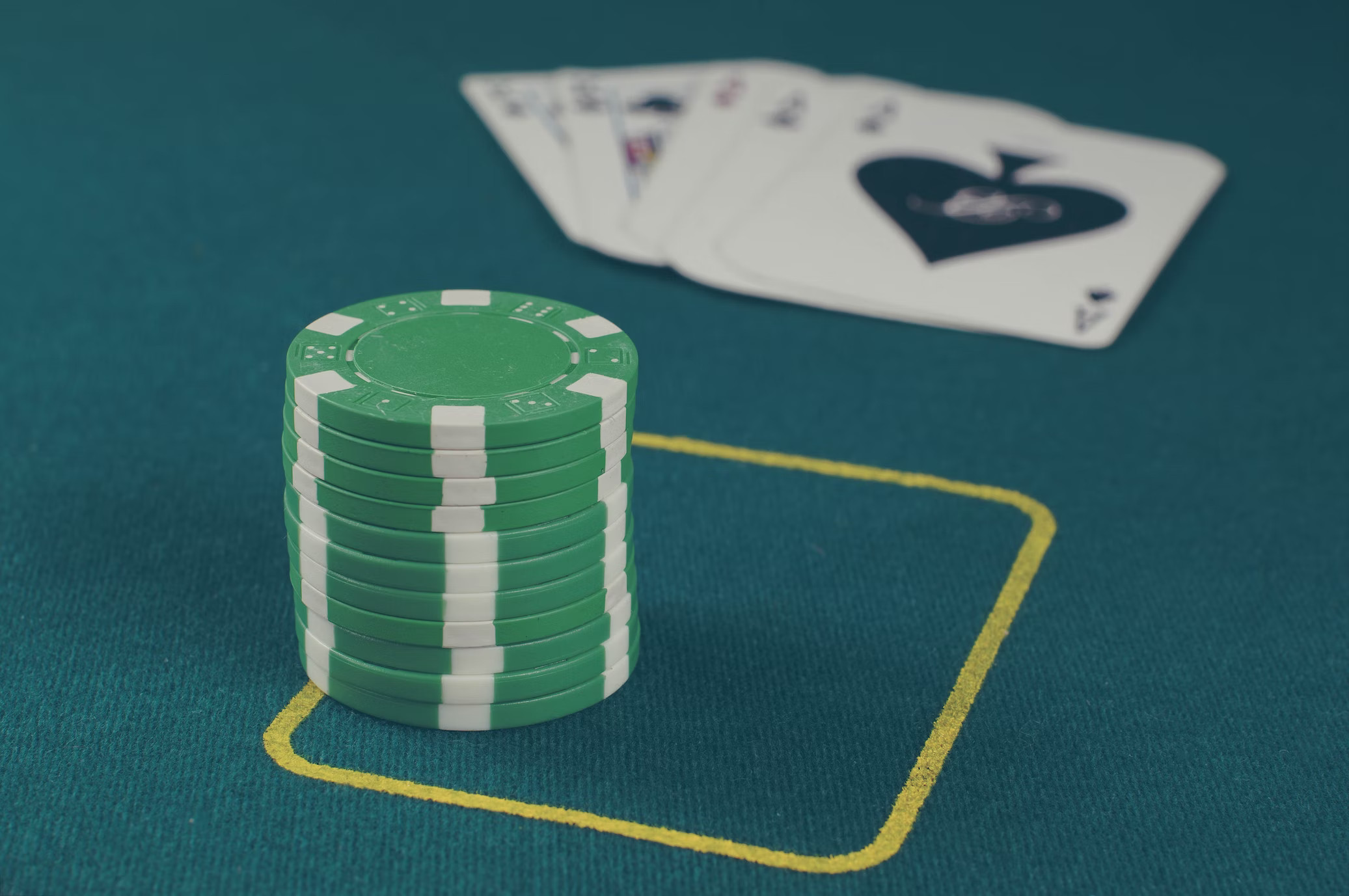
To learn how to play poker, you need to know the following points. Online poker has become an international phenomenon, captivating millions of players from all around the world. With its effortless accessibility and convenient gaming environment, it’s no wonder why this card game continues to rise in popularity annually. Nowadays, individuals can conveniently take part in thrilling matches with friends and family or even get competitive against strangers worldwide!
Nothing quite pushes the heart rate like a classic game of online poker! Players must skillfully combine two private cards with five that everyone can use to form their best possible hand, in an effort to take home the pot. It’s no simple feat: only those who keep control over their emotions and play tactically will succeed.
Online poker game offers players a way to up the ante with special buys or bonuses. These items can be bought at certain times during play, dramatically increasing chances of victory and offering an extra challenge for experienced card sharks!
Online poker is not just one-dimensional, but rather offers a multitude of different formats to satisfy any type of player. Whether it be grinding for real cash in Cash Games or battling against your opponents until the end with chips at stake during tournaments and sit-and-goes; there’s something unique about each experience that will keep you coming back for more!
Online poker game offers a thrilling card game experience that anyone can enjoy. Its digital format and convenience makes it easy to access for players of any skill level, anytime from the comfort of their homes. With so many different variations available, online poker is rapidly becoming one of the most popular games among gamers around the world!
ONLINE POKER LUCKY SPINS CASINO REVIEW
Online poker games have gained immense popularity, offering players the opportunity to engage in thrilling gameplay and compete against opponents from all corners of the globe. With the convenience of playing from the comfort of your own home, you can sharpen your poker skills, test your strategies, and potentially win big. The online poker landscape boasts a wide variety of game options, ranging from traditional Texas Hold’em to Omaha and Stud Poker. These games come in different formats, such as cash games, tournaments, and sit-and-go events, catering to players of all preferences and skill levels.
Playing poker online provides several advantages. Firstly, online poker rooms offer a diverse range of tables with various stake levels, allowing players to find a game that suits their bankroll. Whether you’re a beginner looking to start small or a seasoned pro seeking high-stakes action, there’s a table for you. Secondly, online poker platforms often provide bonuses and promotions to attract and reward players. These can include welcome bonuses, reload bonuses, and loyalty programs, enhancing your playing experience and increasing your chances of profitability. Taking advantage of these promotions can give you an extra boost in your poker journey.
When playing online poker, it’s essential to choose a reputable and trustworthy platform. Reading reviews, such as a Lucky Spins Casino review, can provide valuable insights into the quality and reliability of a specific poker room. Factors to consider include the platform’s security measures, game variety, software quality, customer support, and payment options. Opting for a well-established and licensed online poker room ensures a fair and secure gaming experience. By selecting the right platform, you can immerse yourself in the exciting world of online poker, compete against skilled opponents, and strive for that coveted winning hand.
MANDATORY BETS
The main purpose of the blind bet is not just to incentivize players, but to add in an element of risk. This blind bet helps players play on despite having uncertainty about what cards will be drawn.
By forcing all players to put forward money before the cards are dealt, it allows for there to be a chance of winning money rather than simply folding if the written winnings sat at zero. As this ensures that everyone gets something from the round of poker, no matter what their hand was dealt.
Including this stipulation in the poker game meaning guidelines create an incentive for any player involved so they stay active and in some cases fold late instead of immediately after seeing that they don’t possess a strong hand once their cards have been dealt out. Without such action being taken, overall interest by observers might even lessen with each round of poker going without contributing any return to those taking part in the game.
The mandatory bets sit as two, small and big blinds – thus all subsequent rounds compel similar amounts regardless, while also keeping the whole affair exciting and unpredictable (and rife with adventure). Why is this blind bet needed? One could argue it’s because without risking something valuable – apart from intellectual fortitude – never would power through no sure reward contain within like anticipation does during games like these!
DEALING CARDS
To learn how to play poker, you need to know the following points. A well-versed poker player knows there’s much more to the game than simply luck. Learning how to win requires understanding of its fundamentals─knowing when mandatory bets take place, and navigating through a series of rounds where cards are expertly dealt in pursuit for that elusive royal flush!
Preflop stage. With the cards dealt, a thrilling round of poker online ensues. Every player has their own initial two-card hand and must decide how to proceed against all other opponents whose hands are still shrouded in mystery. The stakes begin with either small or big blinds, but competitors can always raise it up if they feel confident enough in whatever secrets this game may hold!
Flop round. After the initial wagers, players attempt to build a winning hand from their two personal cards and three revealed community cards. Following this round of betting comes an opportunity for further strategic play on the ‘flop’ as they strive towards making one powerful combination.
Round of Turn. With anticipation in the air, it’s time for the dramatic reveal: The fourth card on the table is revealed. Players must make their decisions under pressure as they weigh whether to raise or fold based on what has been revealed so far. It all comes down to this one key moment!
Rivera round. The stakes are high as the fifth and final card is revealed – it’s time for players to put their cards on the table.
WHAT ACTIONS CAN BE DONE AT THE TABLE?
Each player on any betting round is entitled to the following actions:
Say “check” and miss the bet. Before venturing into a new betting round, double-check that no one else has already placed their wager. Taking this additional step guards against potential disruptions in the game’s progress.
Run a bet. Act now and get in on the ground floor – seize this unique opportunity before it’s gone!
Make a raise. Take a bold move and raise your opponents’ expectations by placing an important bet. With every additional wager, you’ll get closer to flipping over the next card – enticing each player to join in on the escalating stakes until all players have contributed their share!
Make a call. With a resolute intrepidity, you challenge your opponents and firmly assert your position with an air of self-assuredness.
Make a “fold». If you’re keen to walk away with what you have, folding your cards is the wisest decision. Continuing to play risks staking more resources without any guarantees of gain – it’s best not take chances!
Players may use a strategic bluff through betting or raising with weak cards, rather than folding. Often when calling, a player is demonstrating confidence in their combination but not enough to raise; they must have something worthwhile yet uncertain holding on to continue playing the hand.
A check can be an experienced player’s sly tactic to conceal their true strength. By appearing weaker than they are, opponents may feel confident in risking a larger bet before the savvy card sharp raises or goes all-in with the winning combination!
Poker online is more than just the luck of the draw. It takes a shrewd eye and some creative tactics to come out on top – like check-raising or bluffing your opponents into submission. If everyone followed the same rulebook when playing online, poker wouldn’t be nearly as thrilling an experience!
BLUFFING AT THE TABLE
Poker online is an exciting and strategic game – but when it comes to bluffing, selectivity should be your priority. Bluff sparingly; aggressive play with no strategy will cause costly losses that could easily outweigh the rewards of a successful bet!
Overly aggressive bluffing can be counterproductive. While initially successful, continued bluffs will eventually alert your opponents and make them more likely to stay in the game even with subpar cards.
When playing poker online, it pays to be strategic and bluffs can prove effective when used against tight opponents who tend not to risk weak cards. To capitalize on their vulnerability, carefully observe an adversary’s tendencies – remembering even the slightest sign of weakness could lead you one step closer to victory!
BANKROLL POKER GAME RULES
To make money on online poker free, you need to use real money to play. If it is unwise to invest them in bets, then you can quickly go broke. Here is a poker guide for managing your bankroll:
- Decide how much you want to earn on poker. For passionate poker players, there is no better way to generate a steady income than by calculated strategy and dedication. Before starting out on your journey as an aspiring professional player, however; it’s important to decide what level of pay you want – setting proper expectations at the outset can help you stay disciplined while playing in order to protect your winnings! When that desired amount has been obtained over any period of time (weekly or monthly), be sure not withdraw from the room so those funds are kept separate for other purposes. By doing this not only will you realize real rewards from poker but also have peace-of-mind knowing which portion of money goes where each month!
- We select limits on the amount. To play, use a certain amount of money that you do not mind parting with. It doesn’t have to be all of your money supply for a month or a week. According to the instructions for poker game meaning to choose a small amount and try to increase it with the right game tactics. If you often lose and re-introduce money into poker, try to take a break and analyze all the mistakes. Perhaps you need to play freerolls (free poker tournaments). Here you can experiment and find the right game strategy without spending money.
- Increase in limits. With the right strategy, online poker free can be a thrilling game to play with sizable potential rewards. That said, it’s important not to rush headfirst into high stakes when first starting out – too often inexperienced players underestimate the competition and end up getting burned as a result. The best course of action is start small and build confidence from there; once you feel comfortable amongst your peers after playing at lower limits for an extended period, then maybe consider advancing levels in pursuit of greater winnings!
- Emotion management. Don’t let the game of poker take over your common sense. No need to invest the last money in online poker free or borrow. It is important to have free funds to play or choose free tables where you can win a small cash prize.
ANALYSIS AND READING OF PLAYERS
In addition to a clear knowledge of the poker game rules and money management, you must be able to read your opponents. This allows you to more accurately guess what cards they have in hand. Instructions in the game of online poker free highlight these types of players and methods of playing against them:
- Tight rivals. They only play with the best combinations. You can bluff against them. However, at the moment of the initiative of a tight player, you need to be able to immediately fold.
- Loose players. They hit the flop with absolutely any two cards. They love to go to showdown. According to the instructions for poker game meaning, you need to bring a loose player to an all-in, having a good combination in his hands.
- Fish. These are poker game meaning for beginners who often do not understand what is happening at the table. Fish are easy to outplay, as their every action is readable.
- Passive players. They rarely like to bet and prefer to check or call. Against them, it is convenient to collect incomplete combinations and win on the river.
- Aggressive opponents. They constantly bet, raise and even all-in. Against them, you need to play only with a good hand and not risk large sums in vain.